Supporting your child's home language at home and care
Keep your child's home language part of everyday life through stories, play and family conversations, and share familiar words with their educators.
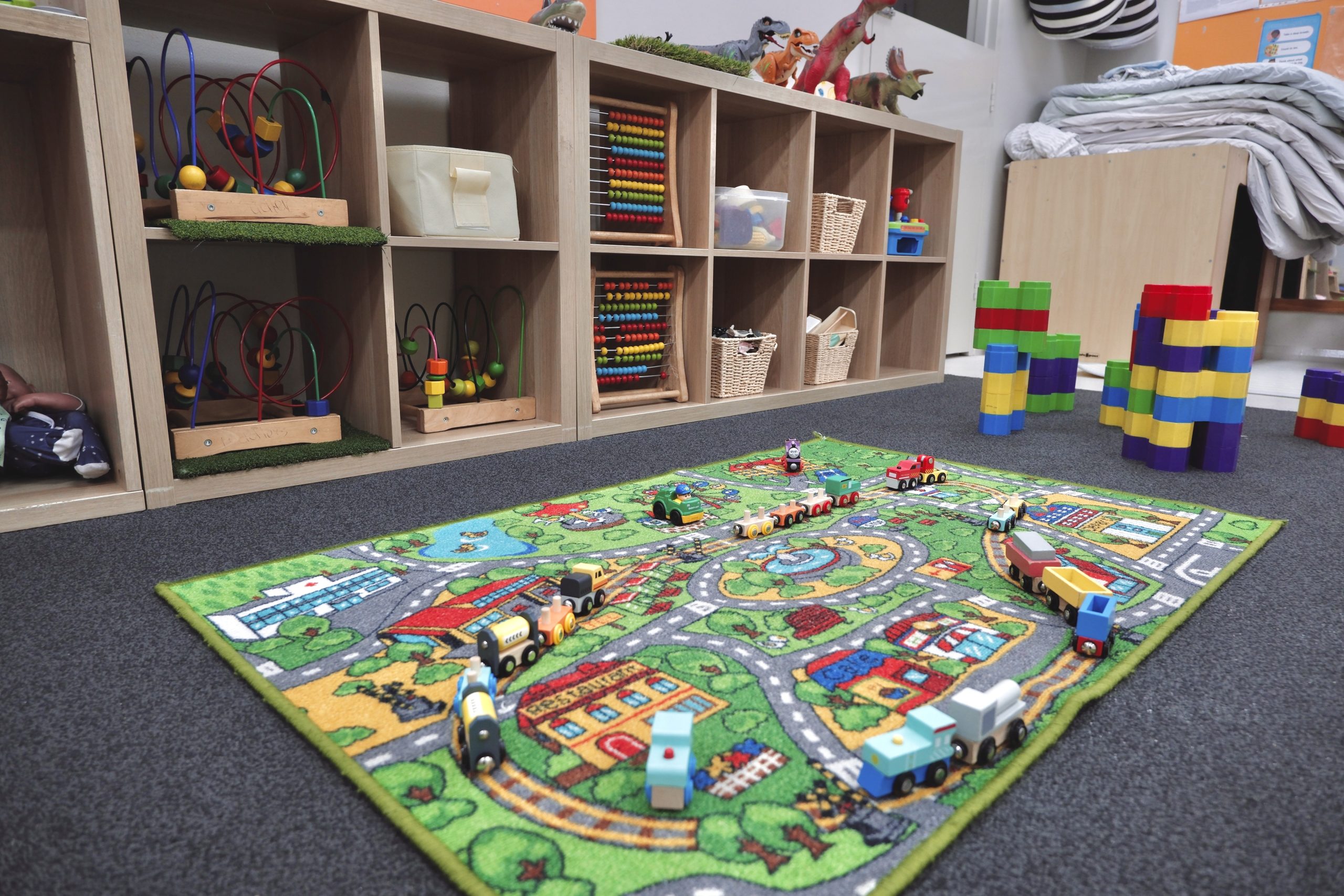
Your child’s home language is part of their connection with family. Keep using it in the conversations, songs and stories you enjoy together. Starting childcare does not mean that English needs to replace the languages you use at home.
At Cuddly Bear Day Care Centre in Woodlands, our home language form gives families a way to share familiar words with educators. A word for water, sleep or goodbye can be useful as we get to know your child.
How can we support our child’s home language?
Start with the people and routines already in your child’s life. Some families use one language at home and another in the wider community. In other families, different relatives speak different languages. Choose an approach that fits your relationships and gives your child regular chances to hear and use each language.
There is no need to turn every conversation into a lesson. Talk about what you are cooking, name things during play or chat about a picture. Let your child respond in their own time.
- Share a favourite song or story in your home language.
- Make time for conversations with relatives who speak it.
- Look for library books and community activities in that language.
- Use your child’s interests as a starting point for conversation.
Can we use more than one language when sharing books?
You can read the printed words, describe the pictures or tell the story in a language you know well. A family photograph can become a story about the people in it, where they live or a visit you remember.
Our guide to reading with your baby includes simple ways to share a book without needing to finish every page. For older children, leave space for their questions and their version of the story.
What should we tell our child’s educators?
Let us know which languages your child hears, who speaks them and which words they use when they need help. You can write the pronunciation beside a word on the Home language words form. Please also tell us about names, songs or family customs that matter to your child.
The belonging and identity form is another way to share family information. These conversations help us understand the familiar experiences your child brings to their room and daily program.
What if I am worried about my child’s communication?
Discuss your concerns with a child health nurse, GP or speech pathologist. Describe how your child communicates across all the languages they hear, rather than looking only at their English. Families can also read Pregnancy, Birth and Baby’s bilingual children guidance.
Tell us about your family
We welcome conversations about the languages and routines that help your child feel comfortable. Book a tour of our childcare centre in Woodlands or call (08) 9244 1812. Find us at 273 Ewen Street, Woodlands WA 6018.
Adapted from the bilingualism resource supplied for our family newsletter. Further reading: Raising Children Network’s tips for raising bilingual and multilingual children.